Eating more seafood is one of the easiest ways to level up your health. However, walking up to the seafood counter can feel overwhelming. How do you balance the cost of seafood and navigate mercury risks? Which fish actually gives you the best ratio of healthy fats? And once you figure all of this out how do you get your kids to eat it?
I’m going to break this down a little and figure out the healthiest, most budget-friendly, low-mercury options—including a curated shopping list for your next Costco run. Then I’ll link in some of my tried and true kid-friendly, recipes!
The Deep Blue Pharmacy: Why Seafood Nutrition is so Awesome.
When it comes to optimizing your health, the dietary advice ranges from "eat more fish" to “be careful of all of the mercury and heavy metals in seafoods”, which give reason for confusion and hesitation. Fortunately, some quick research can clear up a lot of the cluttered advice out there. The specific seafoods highlighted here—salmon, sardines, shrimp, and oysters—are all naturally low in mercury, making them exceptionally safe choices for regular consumption.
By focusing on these varieties, you can avoid the risks associated with large apex predators (like swordfish or shark) while fully capturing seafood's unique nutritional benefits.
Seafood provides a highly bioavailable, naturally packaged combination of essential nutrients that is virtually impossible to replicate through a standard land-based diet or synthetic supplements without doing mental gymnastics to figure it all out.
While plant sources like flaxseed offer omega-3s, they provide them as ALA, which the human body converts to usable forms at an inefficient rate of less than 10%. Seafood delivers pre-formed EPA and DHA omega-3s that your body can use instantly.
Furthermore, unlike plant-based minerals that are often trapped by absorption-blocking phytates, the zinc, iron, and calcium in seafood are completely uninhibited and highly absorbable. Delivered in a natural "food matrix"—where healthy fats, complete proteins, and vitamins mutually enhance each other's absorption—seafood acts as a whole-food powerhouse. Lets look at how these low-mercury options offer distinct, irreplaceable upgrades to your health.
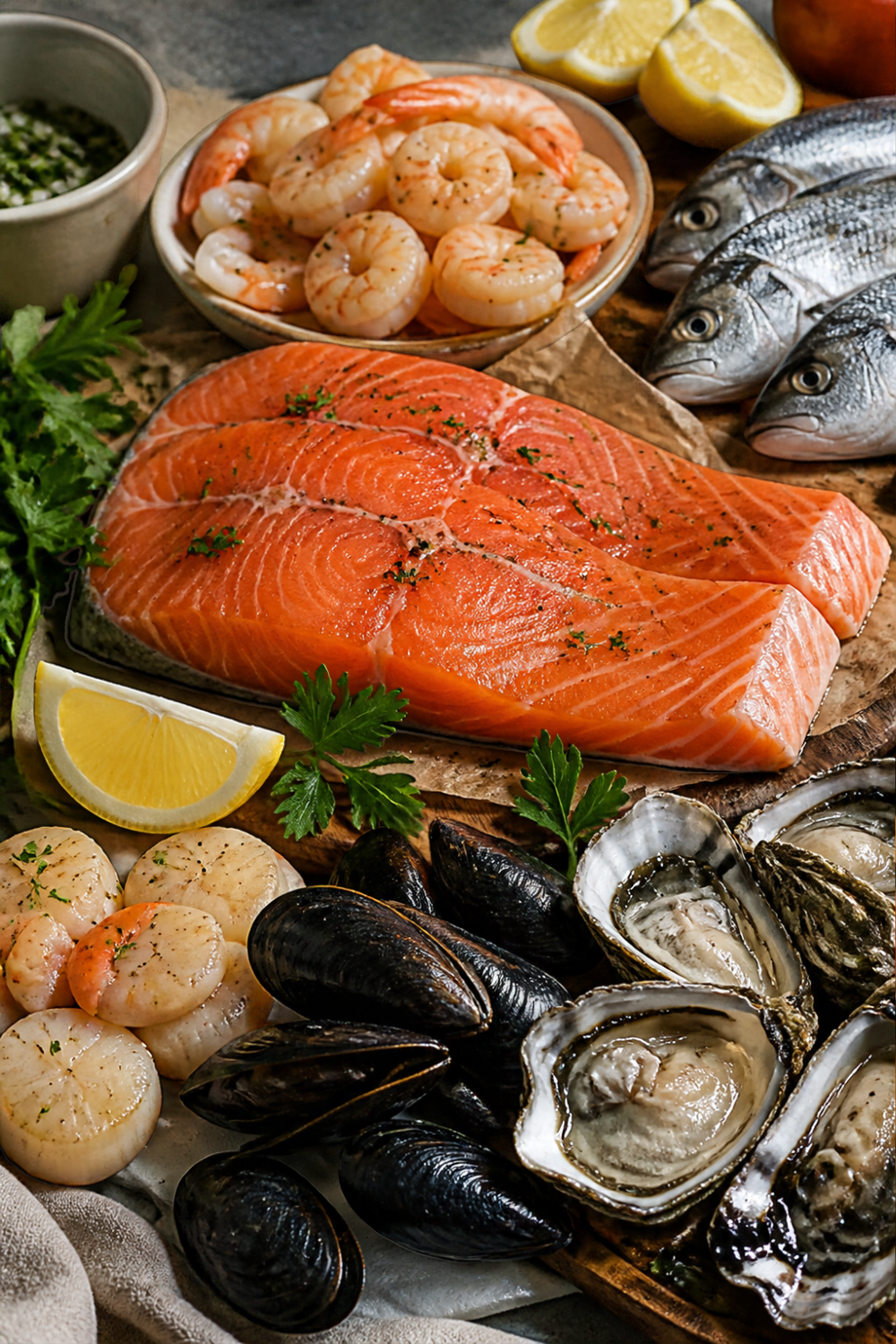
1. Oily Fish (e.g., Salmon, Mackerel)
Oily fish are the premier gold standard for cardiovascular and neurological fuel.
The Nutrient Package: Dense concentrations of pre-formed EPA and DHA omega-3 fatty acids, high-quality protein, vitamin D, and selenium.
The Unique Advantage: The fats found in oily fish are fundamentally different from those in land animals. The long-chain omega-3s reduce systemic inflammation and can lower triglycerides.
The Safety & Synergy Factor: Salmon is a naturally low-mercury fish, and it also comes packed with selenium. Selenium binds tightly to mercury, acting as a natural cellular bodyguard that further neutralizes heavy metal toxicity. Additionally, a dose of vitamin D is packaged directly alongside salmon's healthy omega-3 fats, creating a built-in transport system that optimizes bone-strengthening calcium absorption.
2. Whole Small Fish (e.g., Sardines, Anchovies)
Sardines prove that some of the greatest nutritional triumphs come in humble packages.
The Nutrient Package: Omega-3 fatty acids, vitamin B12, vitamin D, calcium, and phosphorus.
The Unique Advantage: Because these small fish are consumed whole—including their soft, microscopic bones—they serve as an accidental powerhouse for your skeletal system. They provide a direct, highly bioavailable matrix of calcium and phosphorus that mirrors our own bone structure.
The Purity Factor: Mercury accumulates as it moves up the food chain. Because sardines sit at the very bottom of the marine food web and have short lifespans, they do not live long enough to bioaccumulate the heavy metals found in large predator fish. This makes them one of the cleanest, safest, and most sustainable ways to flood your body with marine nutrients without a shred of mercury anxiety.
3. Shrimp
For those seeking optimal physical conditioning, shrimp offers an unmatched metabolic toolkit.
The Nutrient Package: Pure lean protein, selenium, vitamin E, and vitamin B12.
The Unique Advantage: To get 20 to 25 grams of complete protein from beef or pork, you must also consume significant amounts of saturated fat. To get it from beans or lentils, you must accept a high carbohydrate load. Shrimp removes this compromise, offering an incredibly high protein-to-calorie ratio with virtually zero saturated fat or carbs. Fantastic for a cut!
The Low-Mercury Profile: Because shrimp feed primarily on microscopic organic matter they maintain an incredibly low mercury profile. They provide an abundant antioxidant boost via selenium, which neutralizes free radicals, supports thyroid function, and protects muscle tissue from oxidative stress.
4. Shellfish & Bivalves (e.g., Oysters, Clams)
If oily fish excel at providing healthy fats, bivalves are nature's ultimate trace mineral concentrates.
The Nutrient Package: Massive quantities of zinc, heme iron, vitamin B12, copper, and selenium.
The Unique Advantage: Oysters are the single richest dietary source of zinc on the planet. While spinach and whole grains contain zinc and iron, they also contain oxalates and phytates—compounds that bind to minerals and prevent your gut from absorbing them as effectively. Oysters contain no such inhibitors. Their zinc and heme iron are entirely free, allowing your body to easily utilize them for DNA synthesis, wound healing, and robust immune defense.
The Untainted Matrix: As filter feeders that subsist on phytoplankton, oysters do not bioaccumulate heavy metals the way predatory fish do, placing them squarely on the FDA’s "Best Choices" list for low-mercury seafood. A single serving delivers several hundred percent of your daily requirement for Vitamin B12, working alongside highly absorbable iron to supercharge red blood cell production and directly combat fatigue.
Embracing the Whole-Food Matrix
Trying to replicate the benefits of seafood through a handful of synthetic supplement pills misses the point and you pay for it. A pill isolates a single nutrient, stripping away the biological network that help it to work. By choosing low-mercury options like salmon, sardines, shrimp, and oysters, you receive your protein, healthy fats, and vital minerals exactly how nature intended—in a synchronized, highly absorbable, and completely safe package that shields your heart, sharpens your mind, and fuels your body.
Seafood to Limit (High Mercury / Cost)
While most seafood is highly beneficial, you should limit large, predatory fish due to heavy metal accumulation already mentioned. But for good measure, here are options to avoid:
Swordfish & Shark: These contain some of the highest mercury levels. Keep consumption to once a month or avoid entirely.
Chilean Sea Bass: Delicious and buttery, but often expensive and carries moderate-to-high mercury risks.
Conventional Albacore Tuna: Limit to once a week unless using a mercury-tested brand like Safe Catch (I listed this as an option below).
Now lets go shopping!
The Ultimate Costco Seafood Shopping List
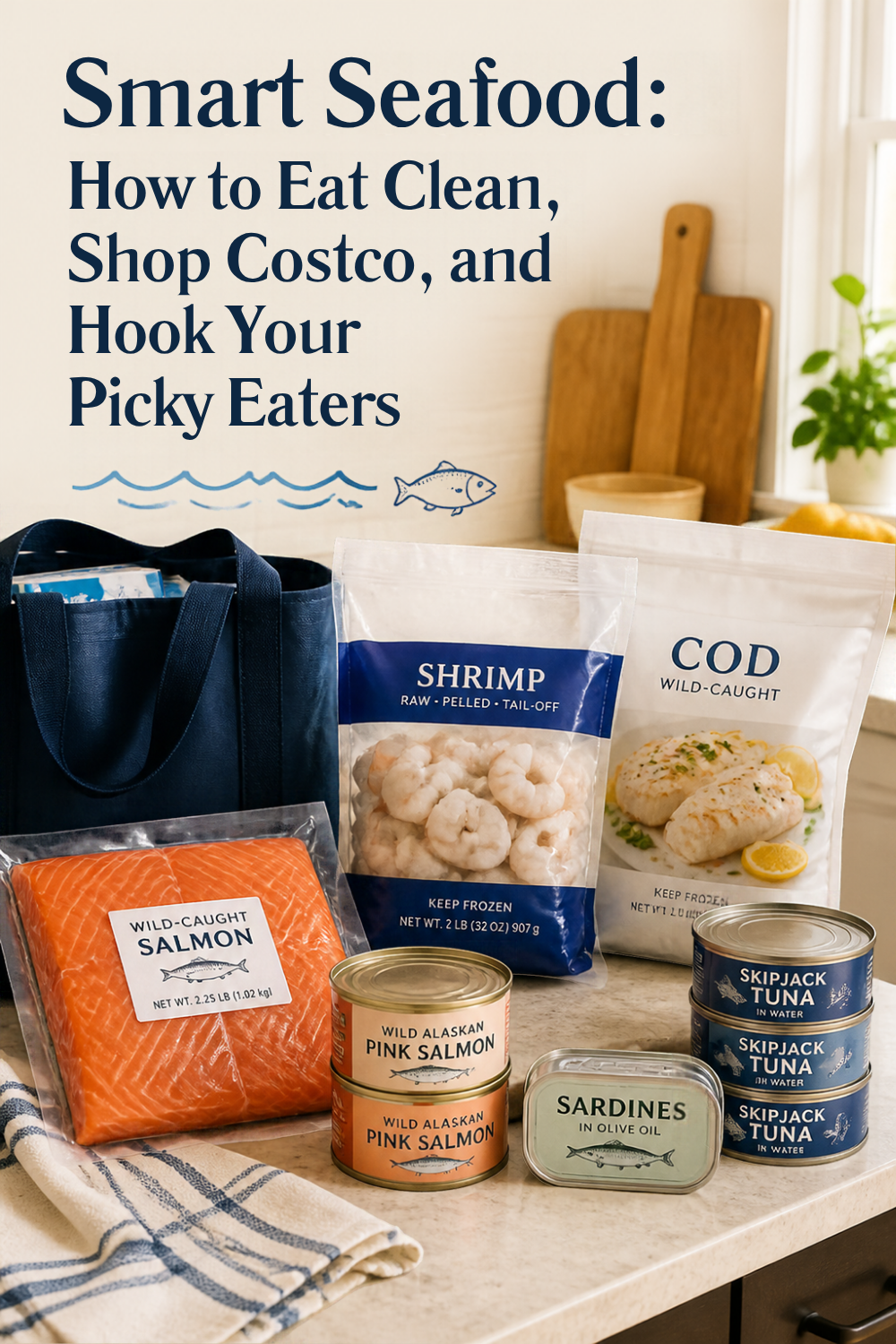
Buying in bulk at Costco is one of the smartest ways to eat high-quality seafood without breaking the bank. When navigating Costco, look out for these top-rated healthy picks:
Kirkland Signature Wild-Caught Alaskan Sockeye Salmon: This is one of the healthiest and highest-value items in the freezer section. Choosing wild-caught ensures you avoid the antibiotics often tied to cheap farm-raised options.
Kirkland Signature Wild Alaskan Pink Salmon (Canned): This is hands down one of my favorites and most used! Sold in a convenient 6-pack, this item is an absolute budget-saver. It is 100% wild-caught, boneless, and skinless salmon packed with 700mg of Omega-3s per serving. It has a mild flavor profile similar to canned tuna, making it an unnoticeable healthy substitute for kids. Bonus: Its a shelf stable emergency preparedness ready protein option.
Safe Catch Elite Wild Tuna (Canned): Costco stocks Safe Catch, a brand that tests every single batch of tuna to ensure its mercury levels are 10 times lower than the FDA limit. It is an incredibly cost-effective muscle-building staple with over 40 grams of protein per can.
Sardines in Extra Virgin Olive Oil: Found in the canned goods aisle, Costco's bulk sardine packs are an anti-inflammatory powerhouse. Always look for the ones packed in extra virgin olive oil to ensure you are getting healthy fats rather than low-quality seed oils.
Kirkland Signature Frozen Wild-Caught Shrimp: Highly versatile and minimally processed, Costco's frozen wild shrimp thaws rapidly for quick weekday meals. This is a perfect go-two when in a cut/weight loss phase to maintain protein without as many added calories from fat or carbs.
Kirkland Signature Wild Alaskan Cod: Individually vacuum-sealed, these frozen fillets are harvested from clean, deep waters. It is highly cost-effective and serves as a blank canvas for tacos, baking, or air-frying. Another great lean protein option during a weight loss phase.
Tried and True Seafood Recipes for the Whole family
Let’s be honest: if you tell your kids they are eating sardines or salmon patties, you might be met with crossed arms and turned-up noses. But given that these fish are an absolute goldmine for growing brains—packed with Omega-3s, calcium, and Vitamin D—it is worth getting creative.
The secret to winning over picky eaters is blending the fish into familiar, comforting foods and completely blanketing them in kid-approved flavors like melted cheese, crispy crusts and dipping sauces. These three recipes are so delicious, your kids will have no idea they are eating a nutritional superfood!
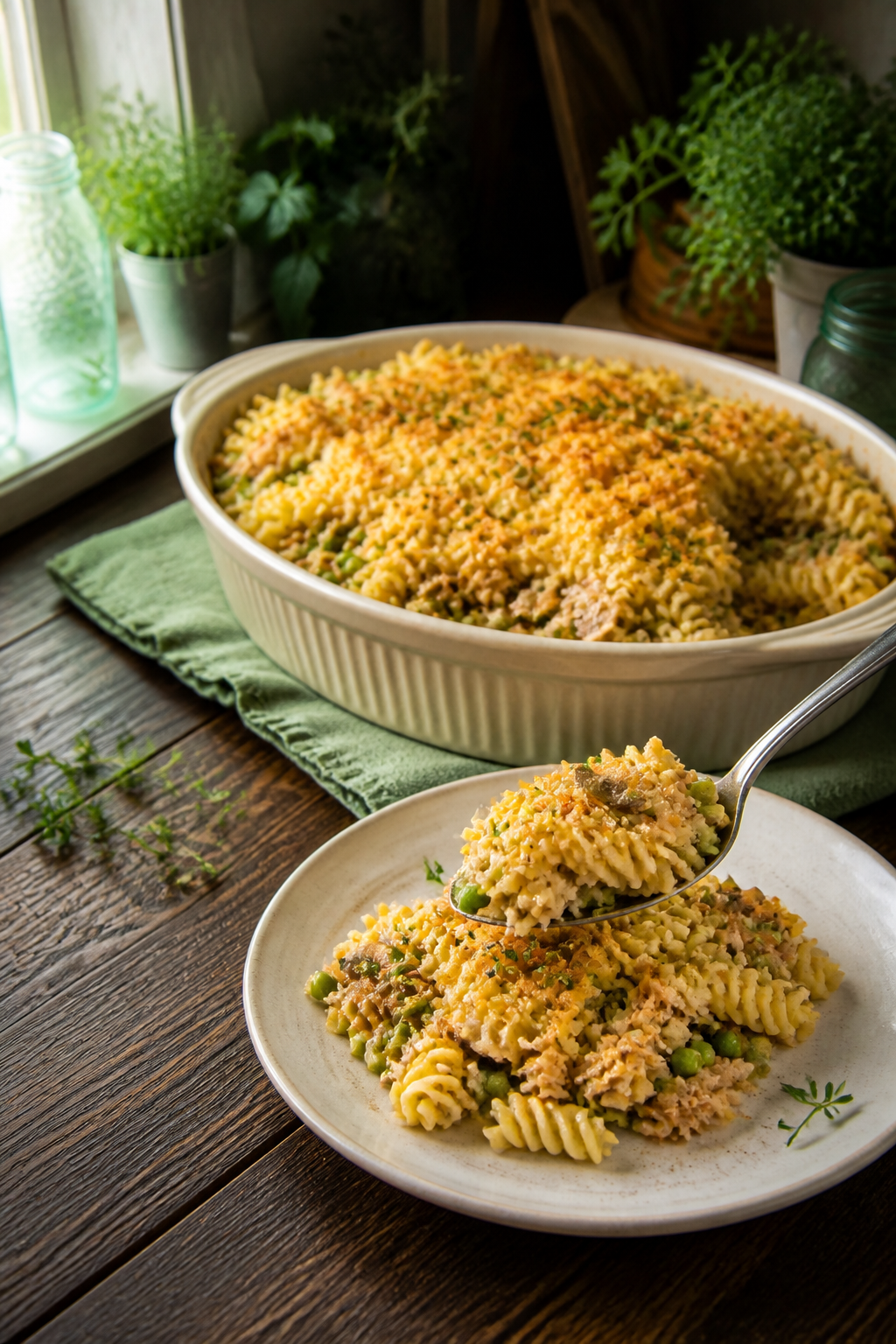
Tuna Casserole. Now before you go getting images of 90s style casserole with a can of cream-of-something poured over the top, hang with me. This recipe features delicious gluten free fusilli and a simple, easy sauce that anyone can pull together. This is gobbled up in our house and any lucky leftovers make great lunches for busy weekdays.
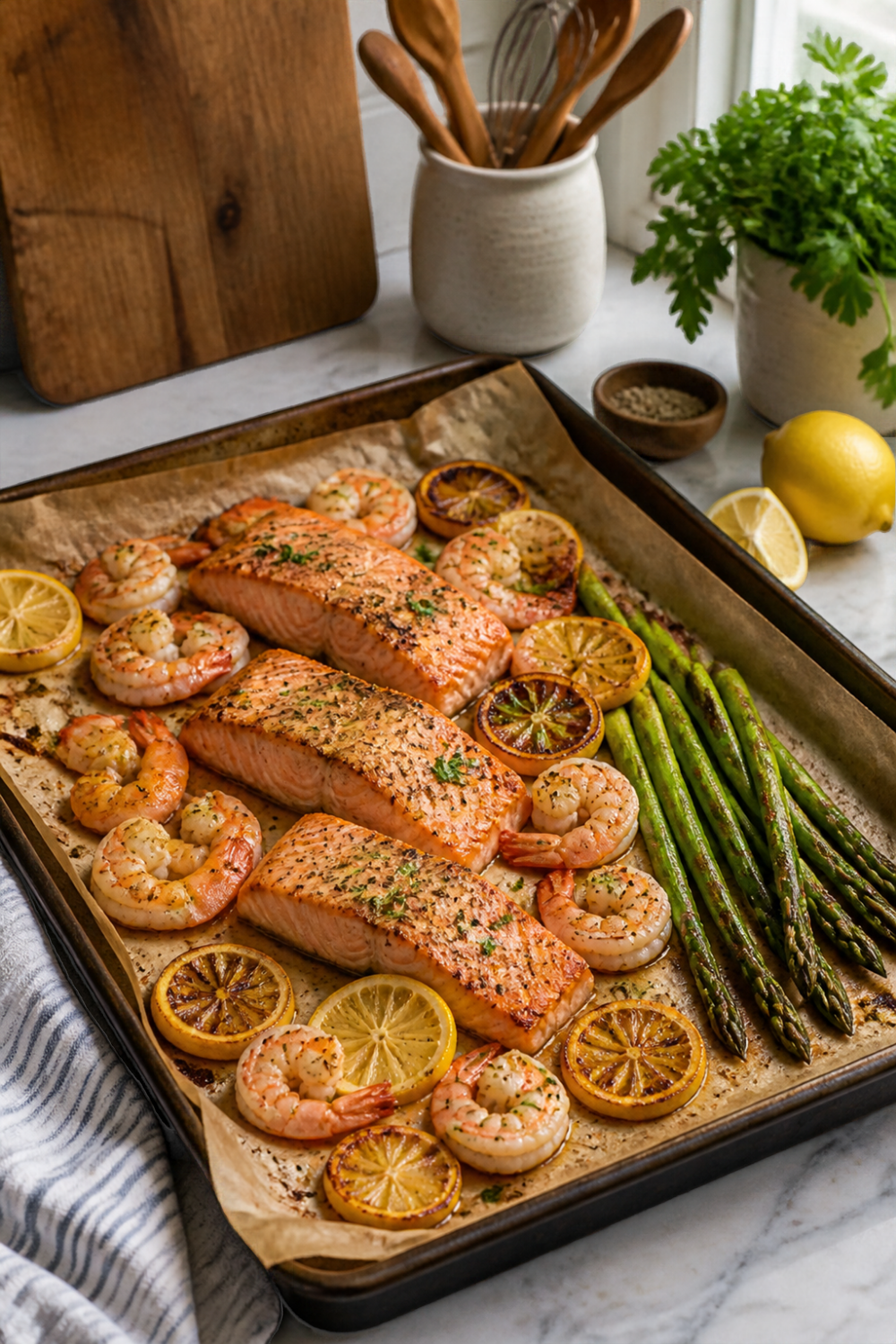
Bang Bang Salmon Bites. This is an insanely quick and easy weeknight dinner. It can be ready in 15 minutes. The traditional bang bang sauce can be too spicy for the littles but I have given several options for variety.
Ultimate Fish Patties: Two Ways. Whether you have salmon or tuna and sardines on hand these salmon patties are also a great weeknight dinner that is easy to whip up in just a few minutes. The kids can get in there and help out too since they call for already cooked fish.


The Takeaway: Smart Seafood, Simple Choices
Eating healthy doesn’t have to mean spending your entire paycheck or spending hours in the kitchen convincing your family to take a bite. By prioritizing high-Omega-3, low-mercury options and stocking up on freezer and pantry staples during your next Costco run, you can enjoy top-tier nutrition on a budget. Give these kid-approved recipes a try—whether you hide the superfoods under a blanket of bubbly mozzarella or dip them in a delicious sauce, your family will get all the health benefits without any of the fuss. Happy cooking!